
TOOLING MATERIALS · GRADE-AND-CONDITION CONTROLLED SOURCING
Tool Steels & Special Engineering Steels — Technical Sourcing
Cold-work, hot-work and high-speed tool steels in plate, block, bar, rod, forgings and parts manufactured to drawing.
MNK-G.S.A supports technically controlled sourcing for tools, dies, moulds, wear parts and special engineering components. Commodity structural steel is outside this page. Every inquiry is built around the formal grade, supplied condition, product form, dimensions, heat-treatment plan and documentation.
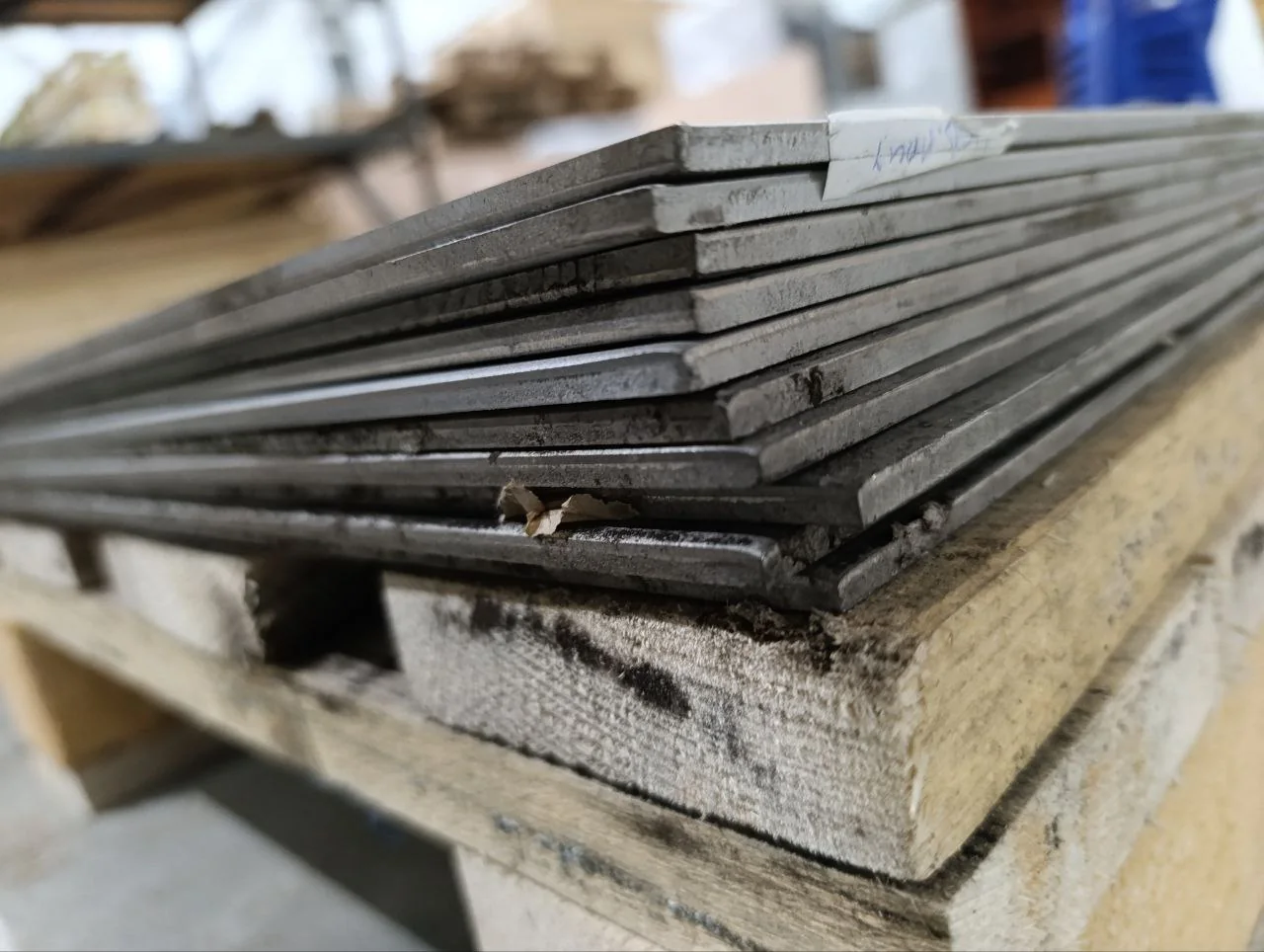
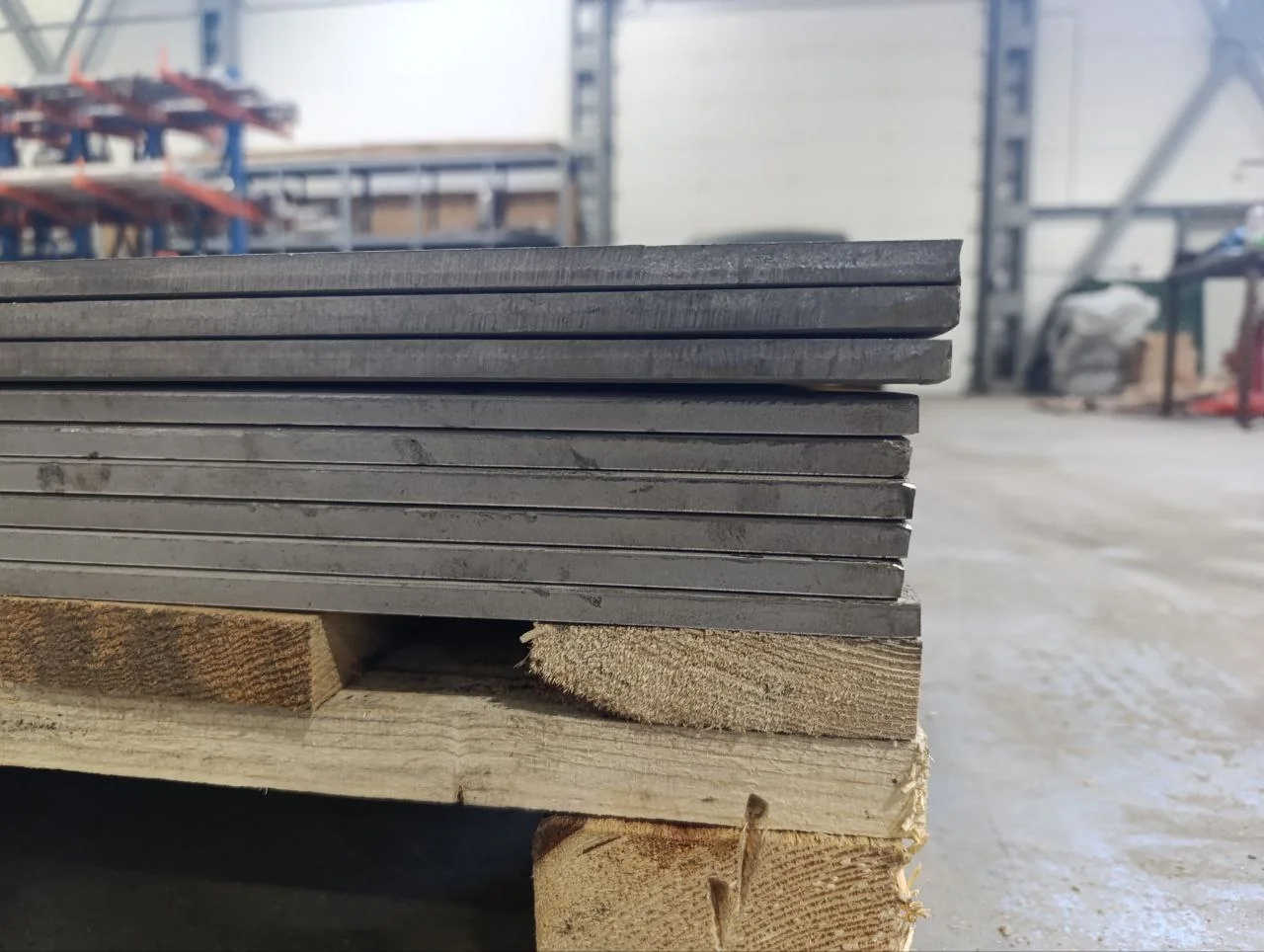
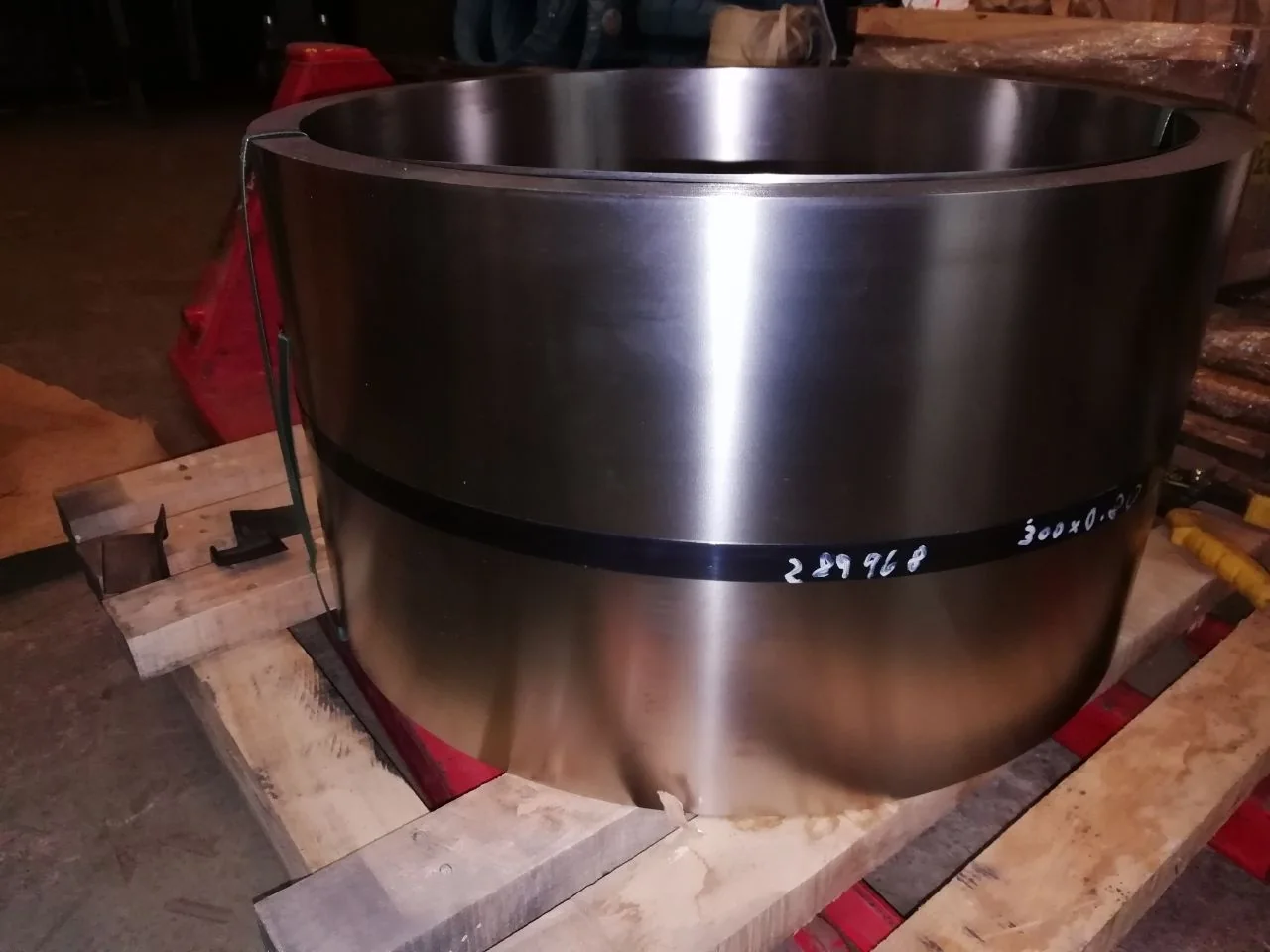
Representative Heavy Product Forms
Photographs from completed sourcing work illustrate plate, block and ring-type product forms. Grade, supplied condition, heat treatment and test scope must be confirmed for the specific tool-steel inquiry.
Grade Equivalence Requires Control
- AISI, EN/Werkstoff and producer designations may be referenced together but are not treated as universal one-to-one equivalents.
- Chemistry, cleanliness, melting route, carbide distribution, supplied hardness and heat treatment can materially affect tool performance.
- The customer’s governing standard, approved datasheet and final certificate control acceptance.
- Proprietary powder-metallurgy grades are sourced under their producer designation and are not relabelled as conventional grades.
Tool-Steel Families
| Family | Reference designations | Typical technical context |
|---|---|---|
| Cold-work tool steels | AISI D2 / W.-Nr. 1.2379; A2 / 1.2363; O2 / 1.2842 where specified | Blanking, forming, shearing, industrial knives, rolls, punches, dies and wear parts |
| Hot-work tool steels | AISI H13 / W.-Nr. 1.2344; H11 / 1.2343 where specified | Hot-forming dies, extrusion tooling, die casting, forging and thermally cycled components |
| Plastic-mould steels | P20 / W.-Nr. 1.2311 or 1.2738; 1.2083 and other customer-defined grades | Mould bases, inserts, cavities and machined tooling; supplied hardness and polishability require confirmation |
| High-speed steels | M2 / W.-Nr. 1.3343; M42 / 1.3247 and other ISO 4957 grades | Cutting tools, drills, punches and applications requiring hot hardness and wear resistance |
| Powder-metallurgy and proprietary grades | Producer-defined PM tool steels | High wear, compressive-load or chipping-control requirements; quotation by exact producer grade |
| Special engineering and wear steels | Customer-specified special grades and hardness-controlled plate | Industrial maintenance and parts to drawing; no commodity construction-steel positioning |
Selection note: the list describes sourcing families, not an instruction to substitute one designation for another. Final material selection remains the responsibility of the customer or project engineer.
Supply Forms and Processing
Plate & Block
Hot-rolled or forged plate, sawn block, precision-ground plate and mould block by thickness, width, length, machining allowance, flatness and supplied hardness.
Bar, Rod & Wire
Round, flat, square or special-section bar and rod; drawn or finished wire where covered. State section, length, straightness, surface and annealed, prehardened or finished condition.
Forgings & Rings
Open-die or closed-die forgings, rings, discs and custom blanks with reduction ratio, heat treatment, testing and machining allowance defined by the project.
Machined Parts
Cut blanks, inserts, punches, dies, tooling plates and components to drawing. The manufacturing route can include rough machining, finish machining, grinding, EDM and dimensional inspection.
Heat Treatment & Testing
Annealing, prehardening, hardening and tempering are quoted only against an approved cycle. Hardness, ultrasonic testing, microstructure, decarburization or additional inspection may be specified.
Standards Framework
| Standard | Relevant scope | How MNK-G.S.A uses it |
|---|---|---|
| ASTM A681-24 | Wrought alloy tool-steel bar, plate, sheet, strip, rod, wire and forgings | Formal ASTM grade, product form and supplied condition are retained together |
| ISO 4957:2018 | Non-alloy and alloy cold-work, alloy hot-work and high-speed wrought tool steels | Current edition confirmed in 2023; only grades within its published scope are described as ISO 4957 grades |
| BS EN ISO 4957:2018 | European/UK adoption of the ISO tool-steel framework | Useful for EN/Werkstoff-led RFQs, together with dimensional and delivery standards where applicable |
Standards do not eliminate the need to specify cleanliness, melting route, hardness, surface, heat treatment and inspection. Those details are added to the purchase specification when they affect performance.
Application Context
Tool steel inquiries may support stamping, forming, extrusion, die casting, forging, mould making, cutting, rolling, shearing, industrial maintenance and special machinery. The failure mode—abrasive wear, adhesive wear, chipping, cracking, plastic deformation or thermal fatigue—must guide final selection.
RFQ Checklist
- Exact designation and governing standard
- Plate, block, bar, forging or finished part
- Dimensions, machining allowance and surface
- Annealed, prehardened or final hardness condition
- Heat-treatment and inspection requirements
- Quantity, drawing, packing and destination
Related Technical Pages
Mining, Quarrying and Construction Materials — an industry sourcing route for engineering steels, wear parts, welding consumables and drawing-based components, subject to the governing equipment or project specification.
Mechanical-Test Method References
These general metallic-materials test methods support procurement and inspection planning. The governing steel product standard, purchase specification and agreed acceptance criteria control their applicability.
- ASTM E10-23 — Brinell hardness
- ASTM E18-25 — Rockwell hardness
- ASTM E92-26 — Vickers and Knoop hardness
Technical Sources
- ASTM A681 official record
- ISO 4957:2018 official record
- BS EN ISO 4957:2018 official record
- Uddeholm — Sverker 21 / 1.2379 / AISI D2
- Uddeholm — Orvar Supreme / 1.2344 / AISI H13
- EN 10021:2006 general delivery conditions
- ISO 404:2013 general delivery requirements
The public records define the sourcing framework. The purchased standard, approved producer datasheet, certificate and customer drawing govern the order; protected standard text is not reproduced.
Technical Sources for Sampling and Testing
Mechanical properties and chemical results are meaningful only when the governing specification, sample identity, preparation route and report traceability are aligned with the order.
Send Your Tool-Steel Inquiry
Send the grade, product form, drawing, dimensions, supplied condition or target hardness, quantity, inspection documents and delivery destination.